

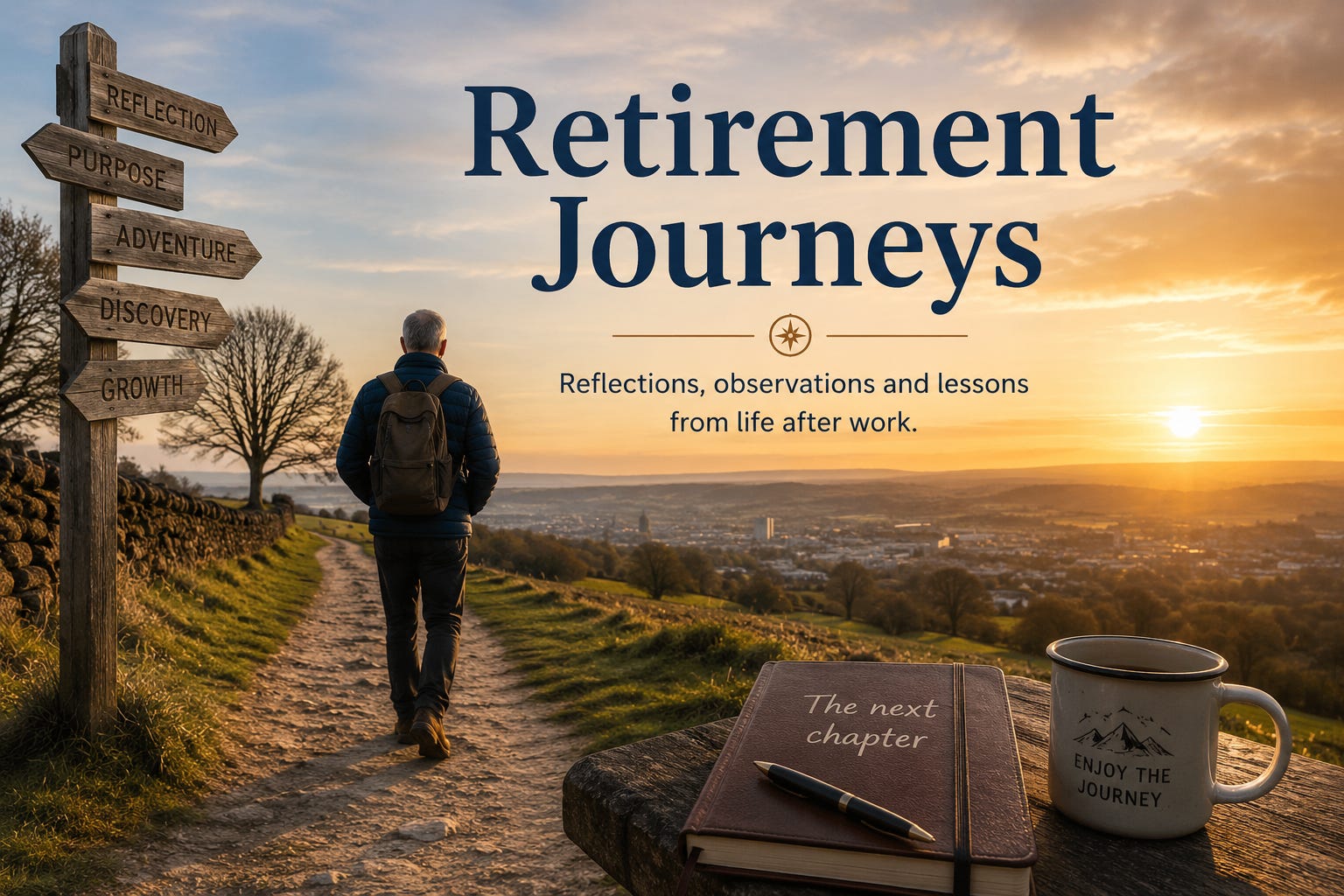
Retirement promises freedom, yet for many people it brings an unexpected sense of loss.
The alarm clock is gone, the commute is over, and the days finally belong to you. But once the novelty fades, the quiet can feel heavier than expected.
You may not be physically alone. A partner sits across the table. Family calls. Neighbours wave as they pass.
Yet the conversations feel shorter, the days less meaningful, and a nagging sense of disconnection begins to grow.
This is the emotional reality of retirement loneliness—a feeling that can exist even when other people are around. What many retirees miss is not just work itself, but the relationships, routines and sense of purpose that once gave shape to everyday life.
For some, major life changes such as divorce, bereavement or moving away from familiar surroundings make these feelings more noticeable. For others, retirement reveals just how much of their social connection came through work.
Retirement Changes More Than Your Job
For decades, work provides more than a pay cheque.
It gives structure.
Routine.
Purpose.
Social interaction.
A reason to get out of bed in the morning.
Even the things we complain about can become important parts of our lives.
The daily chat with colleagues.
The familiar faces.
The sense of belonging to something bigger than ourselves.
Then retirement arrives.
At first, the freedom can feel wonderful.
No alarm clock.
No commute.
No deadlines.
Perhaps there are holidays to enjoy, long-postponed projects to tackle or places you’ve always wanted to visit.
But after the novelty fades, something unexpected can happen.
The days become quieter.
The phone rings less often.
People become busy with their own lives.
Former colleagues are still working. Friends may have less free time than you do. Family members may live further away than you’d like.
Many retirees discover that what they miss is not the work itself—it is the sense of connection and belonging that came with it.
The Silence Can Be Loud
Loneliness often arrives quietly.
It doesn’t announce itself.
It creeps in gradually.
One day becomes two.
A week becomes a month.
The conversations become fewer.
The invitations become rarer.
The routine becomes smaller.
This is especially true for people who live alone. Without regular interaction, it becomes easier to retreat from the world and harder to maintain the habits that keep us engaged with others.
Even activities that once seemed appealing can lose some of their enjoyment when there is nobody to share them with. Many retirees discover that travelling, dining out or visiting new places feels different when experienced entirely alone.
The Trap of Waiting
One of the biggest mistakes many people make is waiting.
Waiting for somebody to call.
Waiting for somebody to visit.
Waiting for somebody to invite them somewhere.
Waiting for life to happen.
The trouble is that everyone else is busy waiting too.
The people who seem connected often aren’t luckier than everyone else.
They simply make the first move.
They start the conversation.
They join the group.
They attend the meeting.
They take the walk.
They say hello first.
Connection rarely arrives by accident.
It usually begins with action.
Why We Seek Companionship
Human beings are social creatures.
Most of us want to feel close to other people.
We want someone to share experiences with, talk things through with and simply spend time alongside.
After a divorce, bereavement or long period of living alone, it is natural to wonder whether the desire for a relationship comes from love, companionship or simply a fear of being alone.
The truth is that there is nothing unusual about wanting connection.
The challenge is recognising that meaningful relationships are strongest when they add to a fulfilling life rather than becoming the only answer to loneliness.
Loneliness and Anxiety
Loneliness does not just affect our social lives.
It can affect our mental wellbeing too.
When we spend long periods alone, worries can grow larger.
Health concerns can feel more frightening.
Minor problems can become major ones in our imagination.
Without other perspectives, our own thoughts can become an echo chamber.
This is one reason loneliness and anxiety often travel together.
The less connected we feel, the more space there is for fear to grow.
Finding Connection Again
The answer is not necessarily having hundreds of friends.
For most people, meaningful connection matters far more than large numbers.
A short conversation.
A shared hobby.
A walking group.
A coffee with somebody who understands.
A creative project.
A volunteer role.
A community group.
Small connections repeated regularly can have a surprisingly powerful effect.
The goal is not to fill every moment.
The goal is simply to feel part of the world again.
Final Thoughts
Retirement can bring freedom, but it can also create unexpected gaps in connection, purpose and routine.
Many retirees experience these feelings, even when they are surrounded by family or familiar faces.
There is no shame in feeling lonely.
It is one of the most human experiences there is.
The important thing is recognising it for what it is.
Not a personal failure.
Not a weakness.
Not something to hide.
Just a reminder that meaningful connection remains important at every stage of life.
If loneliness has started to creep into your days, try taking one small step this week:
Join a local walking group, hobby club or community class and attend at least one meeting.
Schedule a regular weekly phone call or coffee catch-up with a friend, neighbour or family member.
Volunteer for a few hours each week at a charity, community centre, library or local organisation.
Visit the same café, park or community space regularly and make a point of starting one conversation each visit.
Put one social activity in your calendar every week and treat it as an important appointment.
Small actions may seem insignificant at first, but they often create the connections that grow into friendships, routines and a renewed sense of belonging.
In the next article, we’ll explore another hidden challenge of retirement:
When Every Ache Feels Serious.