

When I was 63, I was diagnosed with bowel cancer.
Even now, years later, I can remember the feeling.
My father had died from the same disease. I knew other people who had not survived it. When the diagnosis came, my mind immediately went to the worst-case scenario. I suspect many people who receive a cancer diagnosis experience the same thing. Your thoughts race ahead of the facts.
What made it harder was the waiting.
For a period of time, I didn’t know what stage the cancer was. Those days felt like weeks. I carried on with everyday life, but there was always a question in the background.
What if?
Eventually, I learned that it was Stage 1. That news brought relief, but it was only the beginning of another journey. There would be surgery, recovery and learning to live with the changes that followed.
Looking back, something interesting happened during that time.
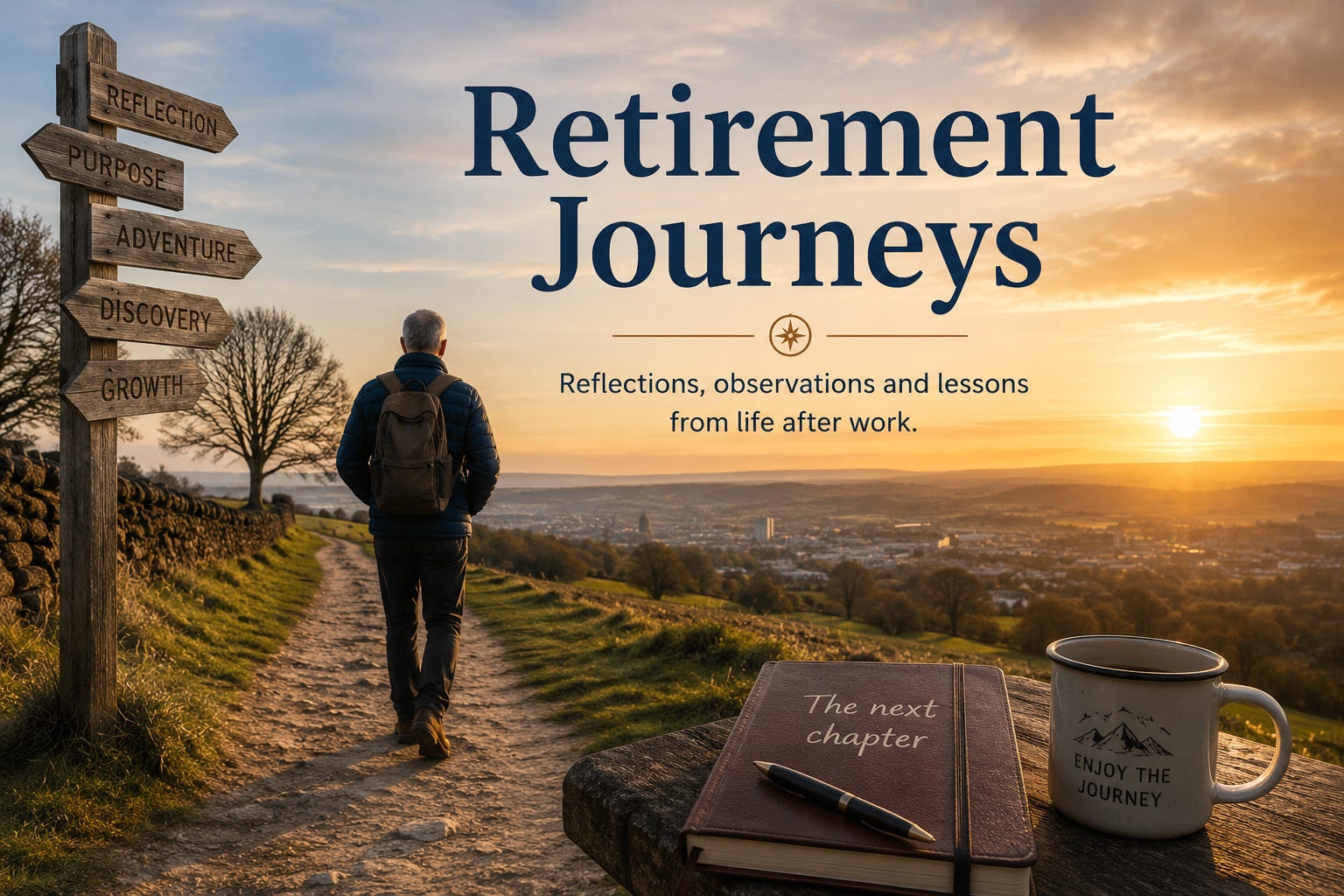
Before the diagnosis, I had developed a simple habit. I walked regularly.
I wasn’t training for a marathon. I wasn’t following a fitness plan. I simply enjoyed walking. It helped me clear my head, get out of the house and stay active.
After my operation, my surgeon told me something I hadn’t expected.
He said that the fact I had been walking regularly before surgery had helped my recovery.
At the time, I hadn’t given it much thought, but the more I reflected on it, the more sense it made. Recovery was still challenging, but my body wasn’t starting from zero. I already had a foundation of movement and activity.
That conversation stayed with me.
It taught me that the habits we build today can help us through challenges we haven’t even faced yet.
We often think of exercise, walking or healthy routines as something we do for immediate results. We want to lose weight, lower our blood sugar or improve our fitness. What we rarely consider is that these habits may become the support system we rely on during a future crisis.
I remain deeply grateful to the NHS.
Without the surgeons, doctors, nurses and support staff who treated me, I would not be here writing this today. They gave me another chance at life, and I never forget that.
Life after surgery wasn’t a return to normal.
I had to adapt.
My digestive system changed. My relationship with food changed. I had to learn what my body would tolerate and what it wouldn’t. Some days were easier than others. Even now, years later, I still have health challenges and occasional frustrations.
But I am still here.
And I am still walking.
Retirement has also taught me something unexpected.
Many people imagine retirement as a period of slowing down. In reality, for me, it became an opportunity to rediscover parts of myself that had been pushed aside during my working life.
I started writing.
I returned to creativity.
I began creating artwork.
I experimented with AI.
I learned video production and started exploring YouTube.
In many ways, retirement has become a second act rather than an ending.
At 66, I am still learning.
That may be the biggest lesson of all.
Growing older does not mean stopping.
It means adapting.
It means finding new interests, new skills and new reasons to get up in the morning.
The walk that helped my recovery all those years ago still continues today.
Only now, it is about more than recovery.
It is about living.
Have you ever discovered that a simple habit became far more important than you realised? I’d love to hear your story in the comments.