

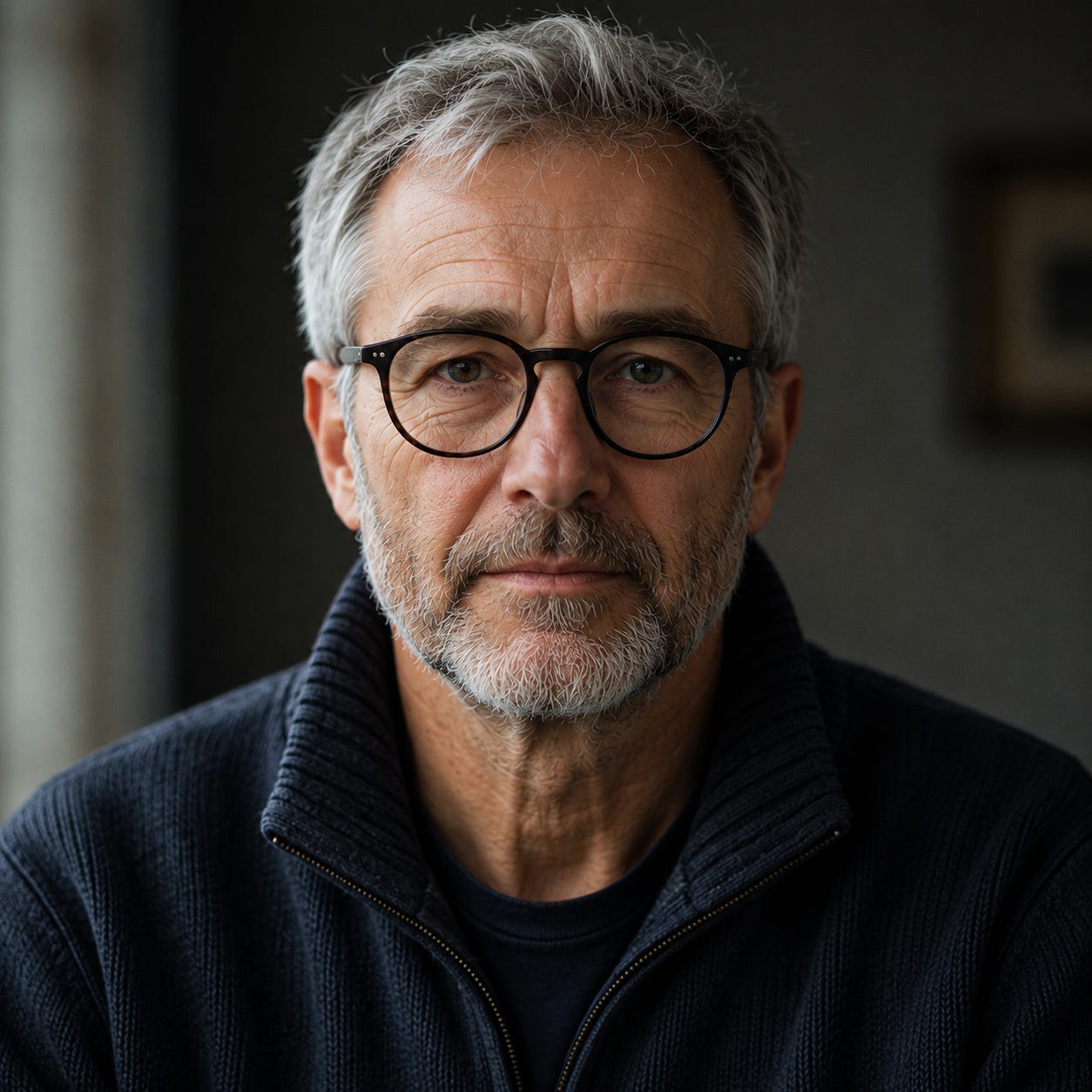
19 April 2045
Dear Thomas,
I visited the most popular museum in Britain last week.
There were no kings, no queens, no prime ministers.
No celebrities, no billionaires, no famous inventors.
No military heroes, no world-changing leaders.
At first, I thought there had been some mistake.
For centuries, museums celebrated the exceptional.
The powerful.
The influential.
The people who shaped history.
At least that is what we were taught.
This museum had taken a different approach.
Its founders had asked a simple question:
What if history had been looking in the wrong direction?
The building itself was enormous.
Visitors arrived from across the world.
Families.
Students.
Researchers.
Tourists.
Retired people like me.
All are waiting patiently to see something extraordinary.
Ordinary people.
The first exhibit belonged to a woman named Sarah Jenkins.
Born in 1982.
Died in 2061.
I had never heard of her.
Neither had anyone else.
The display contained photographs.
A shopping list.
A worn handbag.
Several birthday cards.
A collection of children’s drawings.
A handwritten recipe book stained by decades of use.
That was it.
I read the information panel.
Sarah never became famous.
Never held political office.
Never appeared on television.
Never built a company.
Never wrote a book.
She worked part-time in a supermarket.
Raised three children.
Cared for her mother during a long illness.
Helped neighbours.
Volunteered locally.
Spent forty years quietly improving the lives of people around her.
By traditional standards, history barely noticed her existence.
Yet standing there, reading her story, I found myself strangely moved.
Because her life felt familiar.
Not identical.
Human.
The next exhibit belonged to a bus driver.
Then a nurse.
Then a mechanic.
Then a teaching assistant.
Then a widower who spent twenty years tending a community garden.
None of them had changed the world.
Or perhaps they had.
The museum’s central idea was surprisingly simple.
History tends to focus on individuals who influenced millions.
Yet most people’s lives are shaped by dozens of ordinary people they encounter directly.
A teacher.
A parent.
A friend.
A neighbour.
A colleague.
A stranger who appeared at the right moment.
The people who shape our lives rarely appear in history books.
One room contained thousands of recorded memories.
Visitors could listen to personal accounts.
A man describing the librarian who encouraged him to read.
A woman remembering a neighbour who checked on her every day after her husband died.
A teenager speaking about a football coach who believed in him when nobody else did.
Again and again, the same pattern emerged.
Lives changed.
Not by famous people.
By ordinary ones.
I spent nearly an hour listening.
Eventually, I noticed something.
The names themselves were largely forgotten.
But the impact remained.
The world remembered the kindness.
Even when it forgot the individual.
At the centre of the museum stood its most famous exhibit.
A wall stretching nearly thirty metres.
No photographs.
No biographies.
No dates.
Just names.
Hundreds of thousands of them.
Visitors could add names throughout the year.
People who mattered.
People who helped.
People who changed something.
Not celebrities.
Not public figures.
Personal figures.
I walked slowly along the wall.
Reading.
Mother.
Grandad.
Mrs Patel.
Mr Roberts.
Dad.
My friend Alex.
Nurse Hannah.
Coach Williams.
Aunt Margaret.
The names meant nothing to me.
Everything to someone else.
That was the point.
History often asks:
Who changed the world?
The museum asked a different question:
Who changed your world?
The distinction was profound.
As I stood there, I found myself thinking about my own life.
Not the famous people.
Not politicians.
Not entrepreneurs.
Not public figures.
The people who genuinely shaped me.
A teacher who encouraged curiosity.
A stranger who offered advice.
Friends who appeared during difficult times.
Family members who sacrificed more than I understood.
People whose names would never appear in history books.
Yet without them, my story would have been completely different.
I realised something uncomfortable.
For most of my life, I had measured significance incorrectly.
Like many people, I assumed importance meant visibility.
Recognition.
Achievement.
Status.
The museum challenged that assumption.
What if significance is measured by impact rather than attention?
If that is true, then history may have overlooked its most important people.
Near the exit, I found a small plaque.
Simple.
Almost hidden.
It read:
Most people will never be famous.
Most people will never change the world.
Yet almost everyone will change someone’s world.
Often without ever knowing it.
I stood there for a long time.
Suddenly, the room felt much larger.
Not like a museum.
Like a reminder.
A reminder that meaning does not require an audience.
That influence is not always visible.
That a good life may leave traces far beyond what its owner ever sees.
As I left, visitors continued arriving.
Thousands of them.
Not to celebrate greatness.
But to celebrate humanity.
And for the first time in many years, Thomas, I found myself wondering whether history’s greatest mistake was not forgetting extraordinary people.
Perhaps it was overlooking ordinary ones.
Michael
Reflection
Most lives are not remembered because they were famous.
They are remembered because they mattered.
The two are not the same thing.
Next Episode
The Day the Internet Went Silent
For twelve hours, the global network disappears.
No feeds.
No messages.
No AI assistants.
No news.
No entertainment.
At first, people panic.
Then something unexpected begins to happen